scpmkj@gmail.com
Get A Free Quote


 share
share
The plastic around us
Stop at this moment and look at the surrounding environment. How many plastic items are within reach? How many decorations or brands are there? Whether you're at your desk, working from home, in your car, or in a local coffee shop... chances are you have a variety of decorative plastics around you.
There are seven different types of plastics in total: polyethylene terephthalate (PETE or PET), high density polyethylene, polyvinyl chloride, low density polyethylene, polypropylene, polystyrene or polystyrene foam, and the seventh category includes various plastics such as polycarbonate, acrylic, styrene, glass fiber, nylon and polylactide. When making items, the wide variety of plastics available provide a large number of options. These items, whether they are notebooks, car parts, or reusable iced coffee cups, are dazzlingly printed on plastic with UV inkjet printers. Stunning high-quality full-color graphics can be easily created on plastic using a UV inkjet printer or a digital cylinder printer.
How to achieve optimal adhesion on plastic
UV printer prints on plastic require pretreatment to ensure optimal adhesion. But what is the best adhesion? If the contact surfaces fit each other perfectly, the optimal adhesion is said to be correct. In other words, the surface of the substrate and the ink form an irreversible combination. The adhesion itself is measured by the adhesion strength.
To this end, PULXIG provides adhesion testing. Tape, scratches, cross A and cross B make up four different tests and are more commonly used in glassware. However, soft bottle and ice bucket tests are additional adhesion tests designed to test the adhesion of soft plastics such as sports bottles.
Plastic pretreatment options
Pretreatment must be carried out before UV printer printing on plastic. The level of pretreatment depends on the expected life of the product. For example, if the substrate is used for promotional purposes, the adhesion standard is much lower than that of wine utensils. In addition, if you print UV on plastic that can be printed using a UV flatbed printer, the quality of adhesion that remains even after washing the dishes will not meet your needs.
Pre-treatment of plastic drinking utensils
Needless to say, we now want our drinking utensils to be dishwasher washable. Busy life has little time to wash your hands, and no rest time is willingly spent on the sink. Properly pretreated plastic drinking utensils first by wiping with primer, and then pretreating them with flame, corona or plasma. To better understand the differences between other pretreatment methods, visit another blog post UV inkjet printer adhesion improvement components.
Pre-treatment process for plastic promotional products
Promotional products are kept for an average of five months. That being said, the quality of promotional products varies widely, so only using primer wiping can meet the product's service life needs.
Pretreatment before UV lithography
Digital printing is carried out using a UV inkjet printer such as PX-812 to print on plastic, and pre-treated with primer wiping. Four primers are available specifically for plastics;XF primer, S primer, PP primer and PL primer. All of these are great options to promote adhesion.
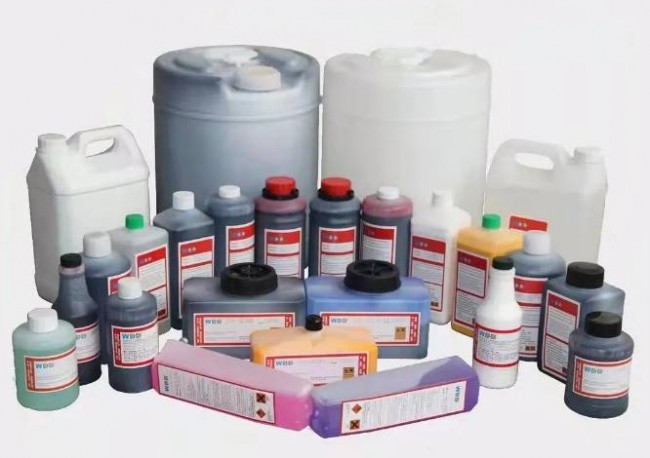
Plastic UV ink
Once you have determined the pretreatment method that best meets your adhesion goals, you can explore UV ink options. For printing on plastic, there are four different ink lines to choose from.