scpmkj@gmail.com
Get A Free Quote
 share
share
Traceability management of pesticide products is not new. It was first that some foreign companies carried out code coding management on their products in order to prevent cross-shipment in the market. There are many types of marking equipment currently on the market. The most common ones include: small character inkjet printers, UV inkjet printers, laser printers, thermal transfer printers, etc. Different equipment has its own characteristics and provides different packaging forms for pesticide products. Various options are provided for packaging, labeling forms, different materials and different coding forms.
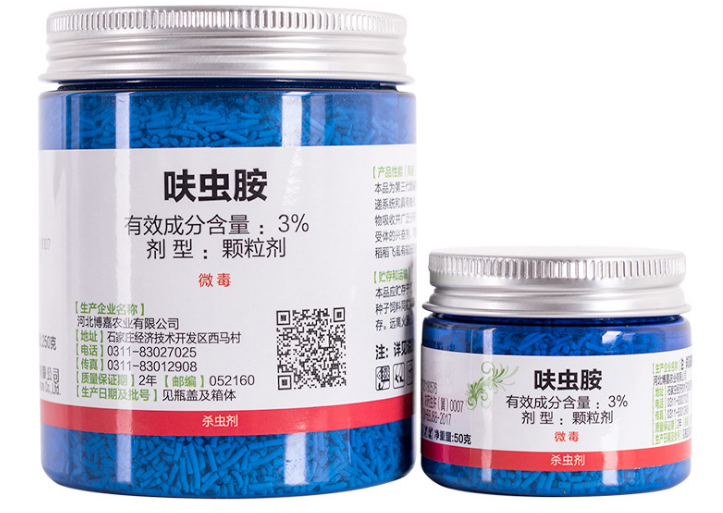
During the production process, we can print the QR code on the label in advance, or we can code it on the packaging line in conjunction with production. Whether we use advance coding or online coding, the company can make a choice according to specific circumstances.
Code coding in advance to separate the coding process from other production processes, so that the overall production will not be affected by the failure or efficiency of the coding process. However, information collection devices need to be installed on the production line. Single label, formed bag, label, and rolled film bag are all suitable for assigning codes in advance. It can be entrusted to a printing factory or other professional marking unit, or it can be completed by the enterprise purchasing equipment.
Online coding requires each production line to be equipped with coding equipment. The identification of production date and batch number and the collection of QR code information can be completed at the same time, which can reduce the number of production date and batch number identification equipment and QR code information collection equipment. The production line is easy to transform and the investment cost is high. Online code coding can be adopted for label labels, and roll film bags, and online code coding can only be adopted for bottle bodies (bottle caps, bottle bodies, and bottle bottoms).
The labeling of pesticide QR codes is a new regulation for pesticide management. There are relatively few ready-made production lines with a high degree of integration. Existing production lines need to be added or modified. Specific analysis should be based on the characteristics of each production line and cannot be generalized. No matter what form of code assignment is adopted, we should try our best not to change the original production process or increase labor, and ensure reliable equipment operation and meet the requirements of large-scale continuous production.