scpmkj@gmail.com
Get A Free Quote
 share
share
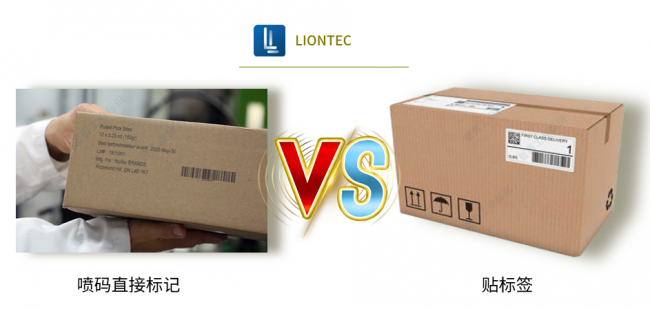
In the field of product industrial labeling, direct use of inkjet printer coding has become a popular choice in many industries due to its many advantages. In this article, we discuss the advantages of using inkjet printer equipment to directly code marking versus labeling, and how the integration of inkjet printing can enhance your packaging line.
Direct packaging printing: What is inkjet printing?
The process of inkjet printing is the act of projecting ink droplets onto a surface in a specific pattern without physical contact. The technology is widely used because it can print on a variety of surfaces, such as porous, non-porous, smooth, textured, curved, concave, etc.
Compared with other technologies, inkjet printing has many advantages. Its non-contact nature ensures that only the ink comes into contact with the product or packaging, thereby maintaining product integrity and stability. Inkjet printing also enables high-speed and intermittent production, making the production line efficient and accurate.
Compared with labels, the advantages of direct product coding marking by inkjet printers:
Direct product coding marking by inkjet printer is a cost-effective solution because it does not require expensive pre-printing or printing and pasting labels, which can reduce a lot of costs, especially in large volumes.
Flexibility: Direct product coding marking by inkjet printers provides greater flexibility in customization. You can easily change the information on your product without having to update or replace the label. This is particularly useful when dealing with variable data such as batch numbers, expiration dates or shipping details.
Save time: By directly encoding or editing print-printed content, you can save the time-consuming process of applying labels individually. Inkjet systems run faster than labeling equipment. For example, the Lanyin UV inkjet printer LT-U2000 runs at a speed of up to 180 meters per minute! This can significantly speed up the packaging process and increase overall productivity.
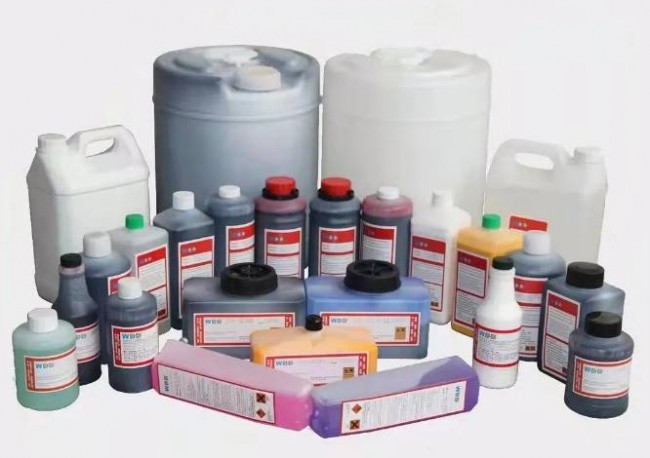
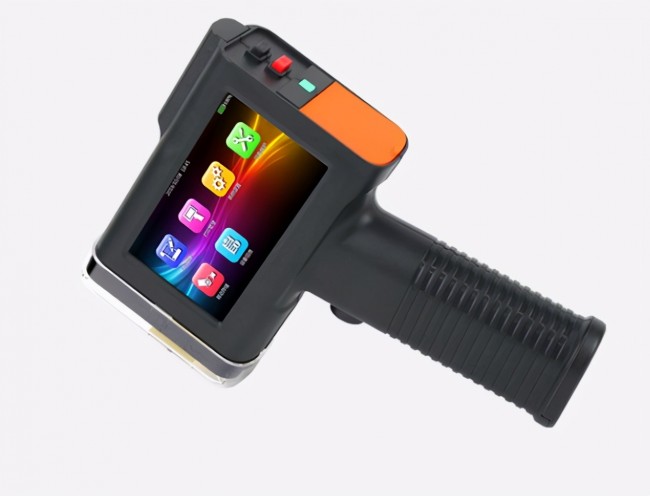
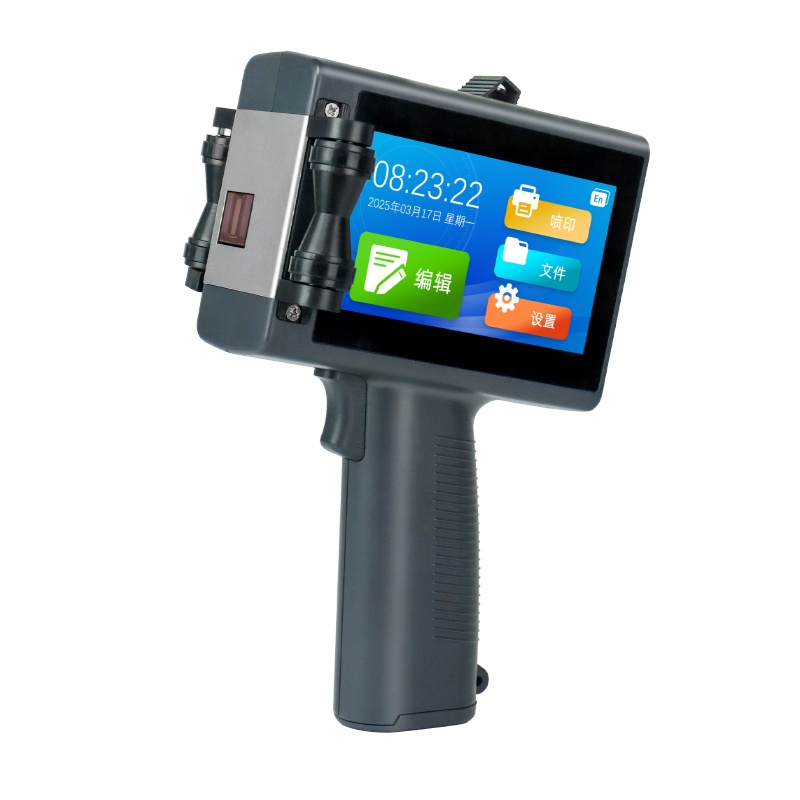
Limited downtime: In general, label machines have longer downtime than inkjet printers. This is because the UV inkjet printer can continuously inkjet printing without interrupting the inkjet marking process, adding ink without stopping the production line, and the user-friendly touch screen interface can keep the production line running normally, reduce downtime and maximize the return on investment.
Environmental impact: Label systems generate more waste than inkjet printing systems of inkjet printers, including label backing, label cores, ribbon backing and ribbon cores. The only waste from inkjet systems is ink cartridges, which can often be recycled.
Enhanced durability: Compared to labels, inkjet printing direct coding provides a more durable marking. This is particularly important in industries with environmental challenges, where labels can be damaged, peeled off or removed.
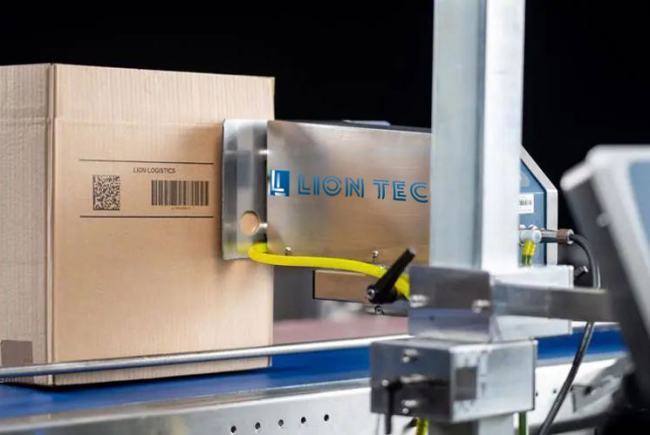
Existing production line integration: Seamless integration of the inkjet printer's direct coding marking system and the production line enables an efficient and automated marking process. The inkjet printer nozzle can be installed on other packaging machinery or integrated into existing production lines to ensure consistent coding throughout the manufacturing or packaging process.
To sum up, we see cases where direct use of inkjet printers provides flexibility, cost-effectiveness, real-time updates and durability. The choice between the two options of directly using an inkjet printer for coding marking and labeling depends on factors such as information variability, labeling requirements, cost considerations, and specific industries or applications. You can choose based on your needs.