scpmkj@gmail.com
Get A Free Quote


 share
share
In the manufacturing industry, product surface defect detection has always been a crucial part. Traditionally, this kind of testing mainly relies on artificial naked vision. However, manual testing has limitations such as fatigue and subjectivity, which will have a certain impact on product quality. With the continuous development of technology, machine vision inspection equipment has gradually replaced manual work to complete repetitive inspection work. Especially in industries such as hardware, plastic and electronic parts, the application of machine vision defect inspection has become more and more extensive. Machine vision defect inspection has become a beautiful scenery for fast, accurate, and batch inspection lines.
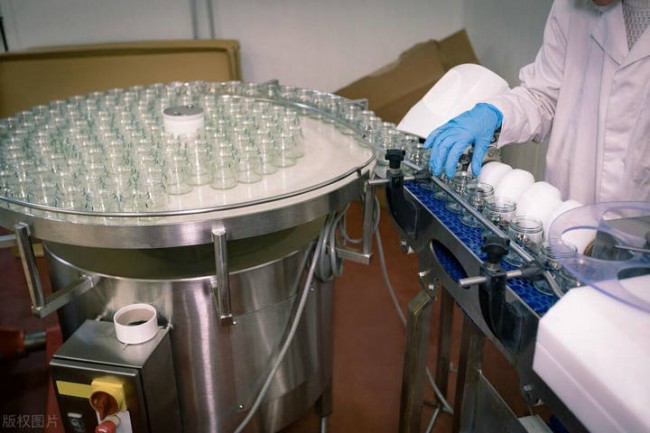
The fast and accurate inspection capabilities provided by machine vision defect inspection effectively replace the inspection process of manual naked eye quality inspection, thereby avoiding many repetitive work, reducing the time and cost of the entire inspection process, and improving the production efficiency of the production line. and product quality. Automated feeding, visual defect detection system and automatic removal are three important components of machine vision defect detection equipment. Automated feeding can ensure stable delivery of products and improve production efficiency; visual defect detection systems can quickly and accurately detect product surface defects and improve detection efficiency; automatic elimination of defective products can ensure product quality and reduce defective rates.
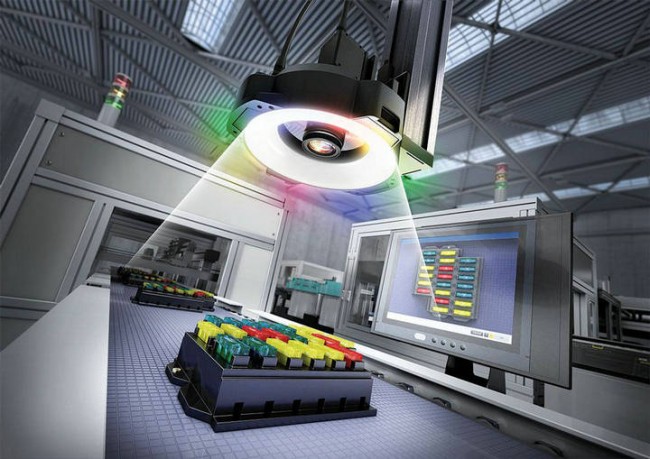
The working principle of machine vision defect inspection equipment is mainly to take product images through high-resolution cameras, and then analyze and process the images through the DLIA industrial defect inspection system, which is machine vision defect inspection, to realize automatic detection and classification of surface defects. Machine vision defect inspection equipment can quickly and accurately detect product surface defects, such as surface scratches, imprint cracks, missing gear teeth, mixed colors of characters, and wrong and missing assembly of mixed materials, greatly improving production efficiency and quality.
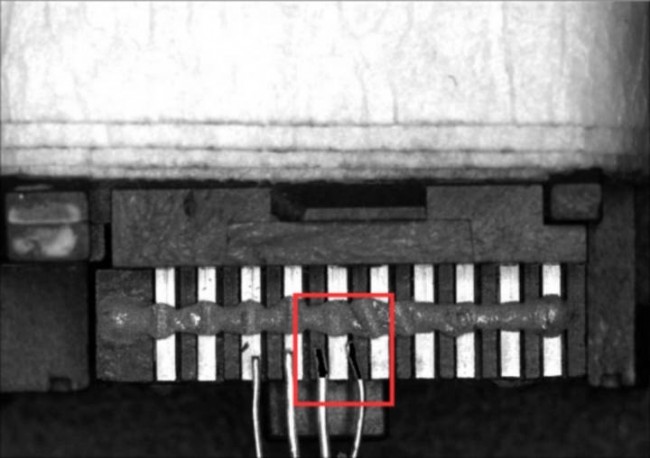
The emergence of machine vision defect detection has greatly changed the quality inspection method of product surface defect detection in the manufacturing industry. The non-contact inspection method has avoided secondary damage to products during the inspection process.
On the one hand, it improves the efficiency and accuracy of testing, reduces the possibility of missed detection and false detection, and better guarantees the quality of products;
On the other hand, it also reduces the labor intensity of workers and avoids fatigue and subjective effects in manual testing.
More importantly, the multiple applications and stability of machine vision defect detection have provided strong technical support for the development of the manufacturing industry, effectively promoted the automation process of the manufacturing industry, and contributed to the intelligent transformation and upgrading of factories., making my country quickly and smoothly move towards the Industry 4.0 era of intelligent manufacturing.