scpmkj@gmail.com
Get A Free Quote


 share
share
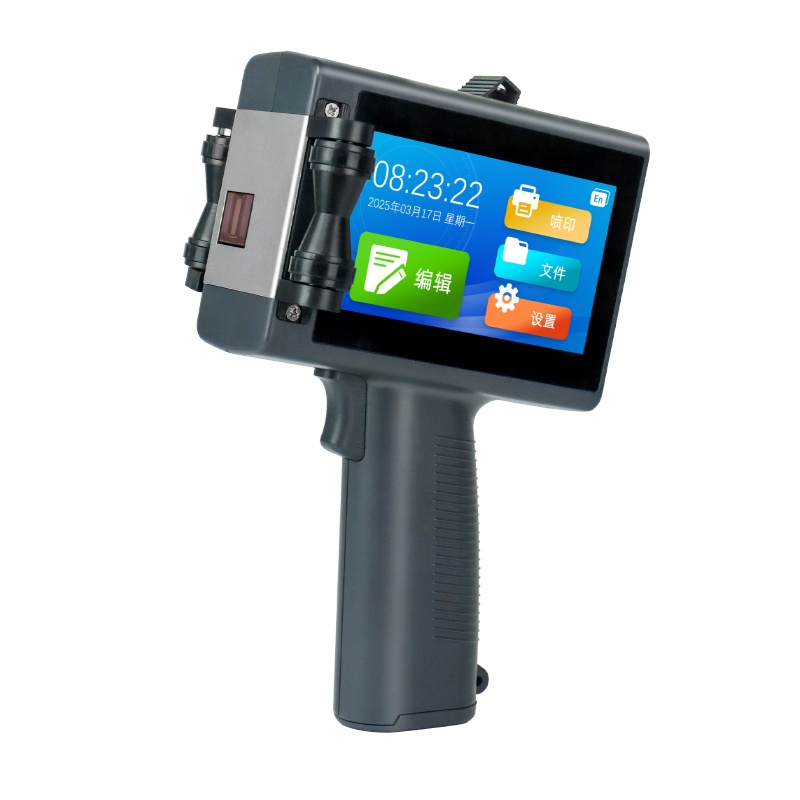
On industrial production lines, inkjet printers are important equipment for identification and traceability, and their stability and reliability are directly related to the accuracy of product information and production efficiency. However, many companies often encounter frequent failures of inkjet printer nozzles during use, which not only increases maintenance costs, but may also affect product quality and delivery time. So, why is the inkjet printer nozzle so "fragile" and often encounters failures? We will explore this phenomenon in depth from multiple dimensions and provide corresponding solution strategies.
1. Environmental factors
1. temperature and humidity
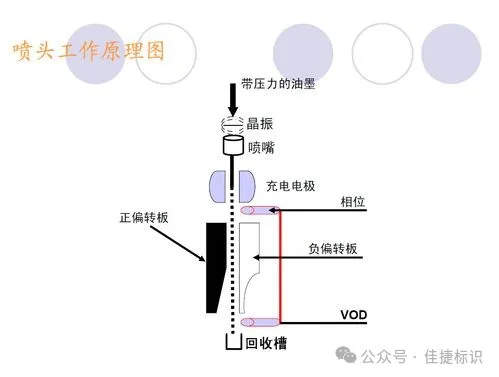
The interior of the inkjet printer nozzle is sophisticated and complex, which places extremely high requirements on the working environment. Too high a temperature will accelerate the evaporation of ink, causing clogging of the nozzle; while too low a temperature may solidify the ink, which also affects the printing effect. Excessive humidity may easily damp electronic components, causing short circuits or poor contacts. Therefore, it is crucial to keep the temperature and humidity of the printer's working environment within an appropriate range.
2. Dust and impurities
Tiny particles such as dust, paper scraps, and metal debris on the production line can easily adhere to the nozzle once they enter the interior of the inkjet printer, causing clogging or wear of the nozzle. Regularly cleaning the printer and the surrounding environment and installing effective dustproof measures are effective means to reduce such failures.
2. Operation and maintenance
1. improper operation
Wrong operating habits, such as frequent switching on and off, sudden power outages, and using incompatible inks or cleaning agents, can cause irreversible damage to the nozzle. Correct operation training and standardized operating procedures are the basis for reducing failures caused by human factors.
2. inadequate maintenance
The inkjet printer nozzle requires regular maintenance, including cleaning the nozzle, replacing the filter, checking circuit connections, etc. Neglecting these maintenance steps will cause the performance of the sprinkler to gradually degrade until failure occurs. Enterprises should establish a sound maintenance plan and strictly implement it.
3. Inks and solvents
1. ink quality
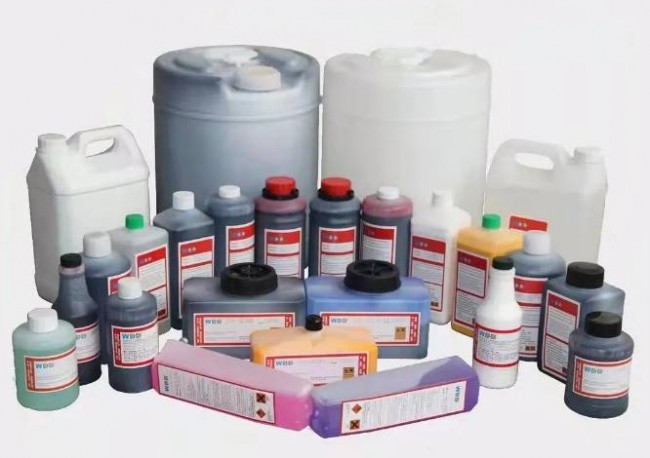
Poor quality ink not only affects the spray printing effect, but also causes corrosion or clogging of the nozzle. Selecting inks with reliable quality that match the model of the inkjet printer is a prerequisite for ensuring long-term stable operation of the nozzle.
2. solvent use
The choice and use of solvents are equally important. Inappropriate solvents may damage the coating on the surface of the spray head and accelerate aging. Cleaning and maintenance according to the solvent recommended in the printer's instructions is the key to extending the life of the nozzle.
4. Conclusion
To sum up, there are many reasons why inkjet printer nozzles often fail, including external factors such as environment and operation, as well as internal factors such as design and manufacturing. By strengthening environmental control, optimizing operation and maintenance processes, selecting high-quality consumables, and upgrading or replacing equipment in a timely manner, the nozzle failure rate can be effectively reduced and the overall performance and stability of the inkjet printer can be improved. In this process, companies not only need to pay attention to immediate production needs, but also have a long-term vision and the spirit of continuous improvement to promote the continuous improvement of production efficiency and product quality.