scpmkj@gmail.com
Get A Free Quote
 share
share
As the core executive component of imported inkjet printers, the adaptability of the inkjet nozzle directly determines the inkjet quality, operation stability and cost of use. In the selection and subsequent maintenance and replacement of imported inkjet printers, reasonable selection of nozzles is a key prerequisite for ensuring production labeling standards and improving operating efficiency. There are significant differences in product characteristics and coding requirements in different industries. Selecting nozzles requires combining various core factors and following scientific selection logic in order to give full play to the performance advantages of imported inkjet printers.
1. Match product and material characteristics
Product and material characteristics are the core basis for nozzle selection. Priority should be given to determining the nozzle type based on product surface status and material attributes. For product surfaces with different flatness and roughness, select nozzles that adapt to the spraying method to ensure that ink droplets can adhere stably and form clear marks. At the same time, take into account the ink resistance and adsorption of the material, select a nozzle that is compatible with the corresponding ink type to avoid blurred, falling off or clogging of the nozzle due to mismatch between the ink, the material and the nozzle, and ensure the stability of the coding effect.
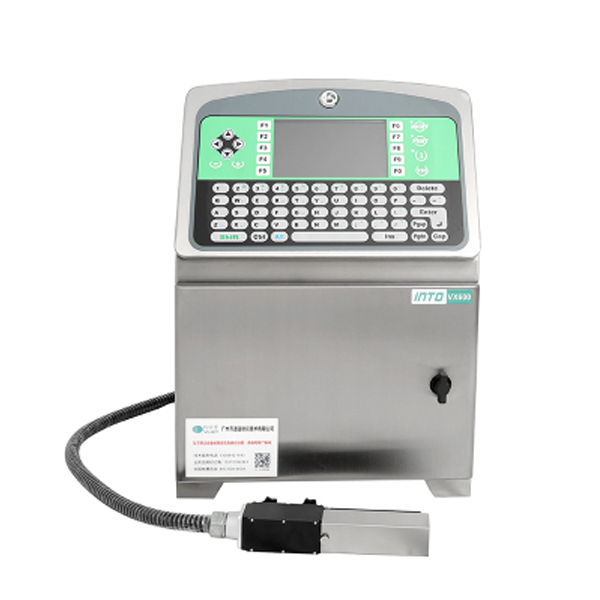
2. Meet the target of coding requirements
The coding demand target directly guides the selection direction of nozzles, and nozzles need to be selected based on core requirements such as coding accuracy, speed, and content complexity. If you need to achieve high-precision, fine-line coding effects, you should choose a nozzle with higher injection accuracy; if it is for high-speed production lines, you should give priority to nozzle types with fast printing speed and sensitive response. At the same time, combined with the length and complexity of the coding content, select a nozzle that adapts the printing width and data processing capabilities to ensure that preset coding tasks can be efficiently completed.
3. Adapt equipment models and specifications
Imported inkjet printers have strict compatibility requirements on nozzles, and when selecting, it is necessary to ensure that the nozzles match the equipment model and specifications. It is necessary to check whether the interface type and installation size of the sprinkler are matched with the equipment host to avoid normal assembly or operation failure due to installation inconsistency. At the same time, confirm that the control system of the nozzle is compatible with the driver of the equipment host to ensure that the nozzle can be controlled, realize flexible adjustment of coding parameters, and give full play to the collaborative performance of the equipment and the nozzle.
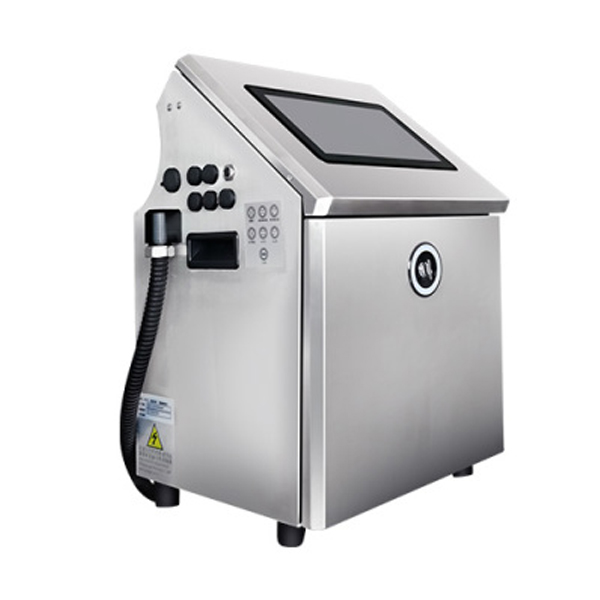
4. Consider operation and maintenance costs and guarantees
Operation and maintenance costs and after-sales protection are important considerations for long-term use. It is necessary to comprehensively evaluate the service life, consumable costs and maintenance services of the sprinkler. Choosing a sprinkler with long service life and high stability can reduce replacement frequency and downtime losses; priority should be given to sprinkler types with strong versatility of consumables and convenient procurement to reduce long-term use costs. At the same time, pay attention to the supplier's after-sales support capabilities to ensure that you can obtain professional installation guidance, maintenance support and spare parts supply to ensure long-term stable operation of the sprinkler head.
In short, the selection of imported inkjet printer heads must be based on the product material characteristics, meet the inkjet demand targets, adapt to the equipment model, and take into account operation and maintenance costs and after-sales guarantees. Through scientific and comprehensive selection considerations, suitable nozzle components can be selected to give full play to the precision performance of imported inkjet printers, ensure stable inkjet quality and efficient operation, and provide strong support for the smooth advancement of the production process.