scpmkj@gmail.com
Get A Free Quote


 share
share
Inkjet printers and marking machines are both equipment used for coding or marking the surface of objects, but their original work and usage scenarios are different.
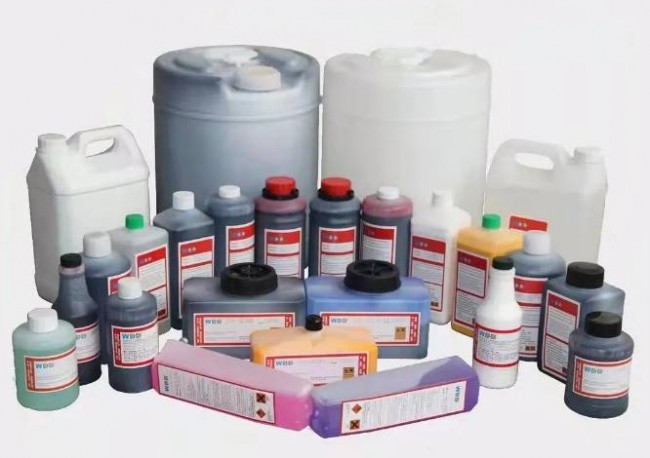
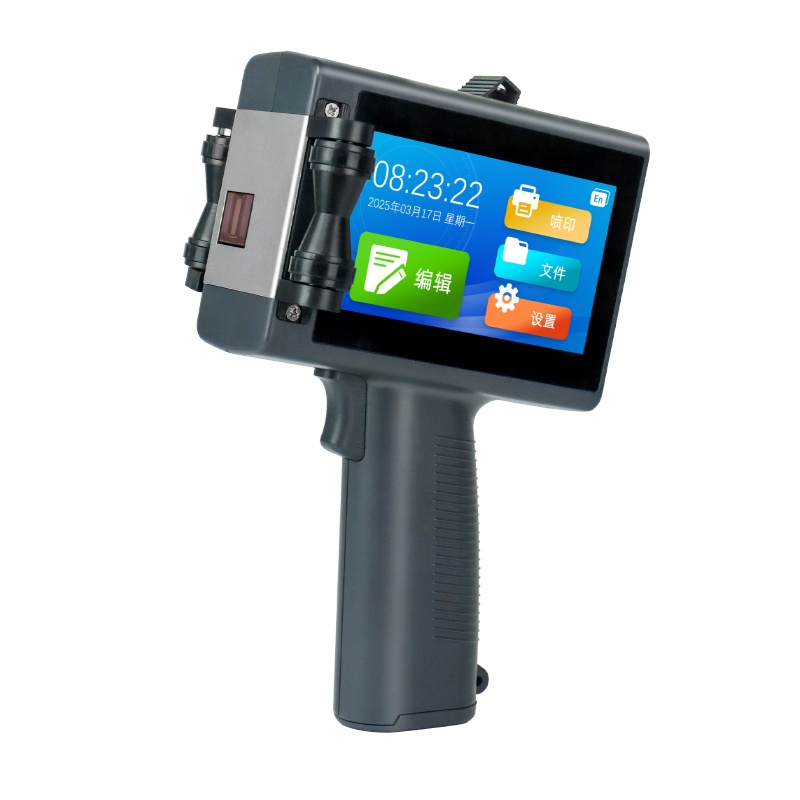
An inkjet printer is a machine that forms patterns, text or QR codes by ejecting inkjet ink. Inkjet printers are widely used in food, medicine, daily chemical, packaging and building materials and other industries. They mark or print products with QR codes, and can trace the production batches of products to ensure quality and safety. Compared with traditional coding methods, the inkjet printer can achieve contactless printing and has the characteristics of high definition, fast printing, and clear and stable printing effect.
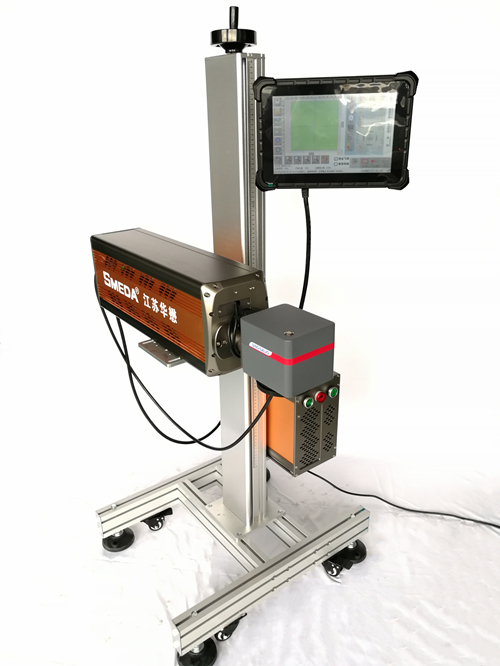
A marking machine is a machine that accurately engrave words, patterns, barcodes, etc. on the surface of an object. The original work of the marking machine is to mix high-frequency electricity with gas and turn it into a plasma to form an electric spark. Through the instantaneous high temperature and high pressure of the electric spark, the surface of the object is corroded to achieve permanent marking. The marking machine is simple in design and easy to maintain, and can be widely used on hard materials such as metals, ceramics, glass, and stone. It has the characteristics of high precision, high speed, and high quality.
It can be seen from the above differences that inkjet printers are mainly aimed at product identification and tracking in packaging, food and other industries, while marking machines are mainly aimed at the need to permanently mark hard materials in the industrial and manufacturing production processes. In addition, the printing effect of marking machines is more beautiful, and can mark complex surfaces, such as spherical and curved shapes; while the inkjet printer scans and identifies barcodes, QR codes and other information on product packaging. It can achieve high precision, high speed and high quality.
In general, inkjet printers and marking machines each play their own role in different fields. In actual work production, it is necessary to select appropriate equipment based on the characteristics and needs of the product to meet the production and management requirements.