scpmkj@gmail.com
Get A Free Quote
 share
share
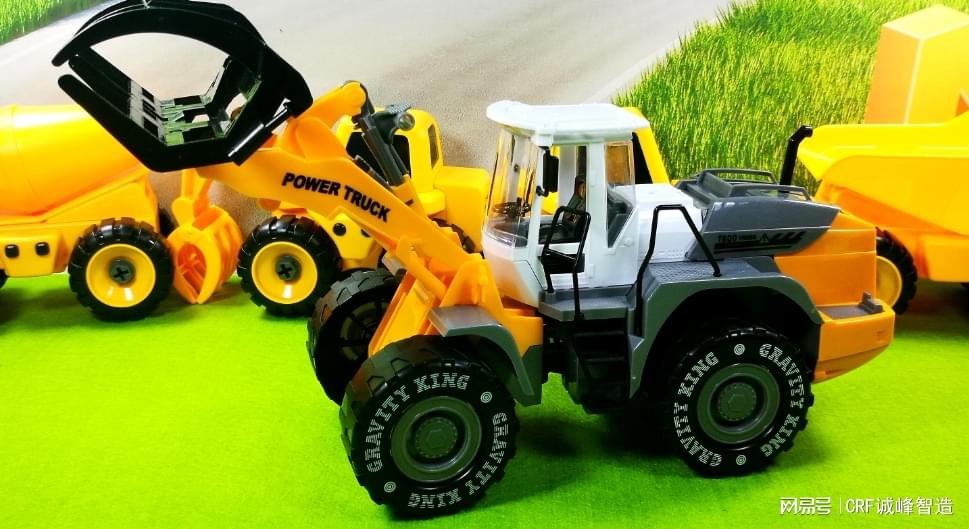
In recent years, the printed patterns of toys are prone to ink drop. How to solve these problems? First of all, let's take a look at why toys easily drop ink after printing. Inks often used in toy printing are often oxidized or volatilized after contact with air, causing the pattern pigments to fall off.
It is said that plasma cleaning machines use plasma jet technology, which can firmly adhere the pigments on the patterns and ensure more lasting printing quality. Plasma cleaners can spray hydroxyl ions on the surface of toys to help ink particles connect to each other, improve the adhesion of the ink, thereby reducing pigment shedding.
In addition to improving print quality, plasma cleaners have other advantages. First of all, the cleaning process does not require the use of any chemical solvents, which is in line with the concept of environmental protection and energy conservation.
At the same time, the operation is simple and convenient, and the toy surface can be quickly cleaned without any skills. In addition, the plasma cleaner can also be adjusted according to different toy materials and size to ensure better cleaning results.
These advantages make plasma cleaners an ideal choice for solving toy printing problems. Using a plasma cleaner can improve the stability of toy printing quality.
The cleaning steps of the plasma cleaner on the surface of toys and other materials are as follows:
1. Prepare cleaning equipment: Select a plasma cleaner or plasma surface treatment equipment suitable for toy surface treatment. Ensure that the equipment has sufficient power and an appropriate gas supply.
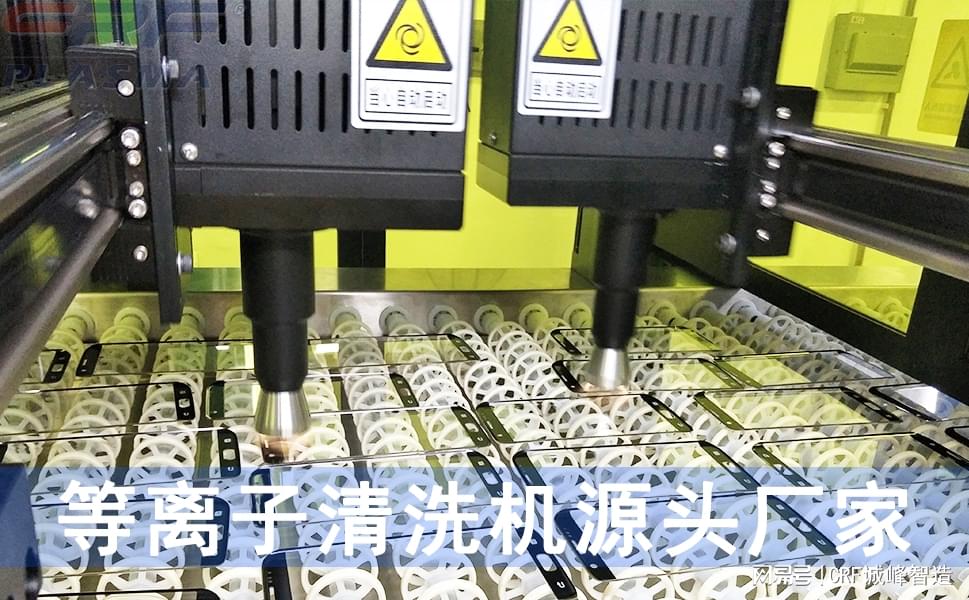
2. Pre-cleaning treatment: Before plasma cleaning, some pretreatment steps can be carried out. Plasma cleaning: Put the toys to be cleaned into the plasma cleaning room to establish a plasma environment. Under the action of the plasma, organic pollutants on the surface of the toy will be chemically decomposed into harmless substances and discharged through the vacuum system, thereby generating a low-pressure plasma.
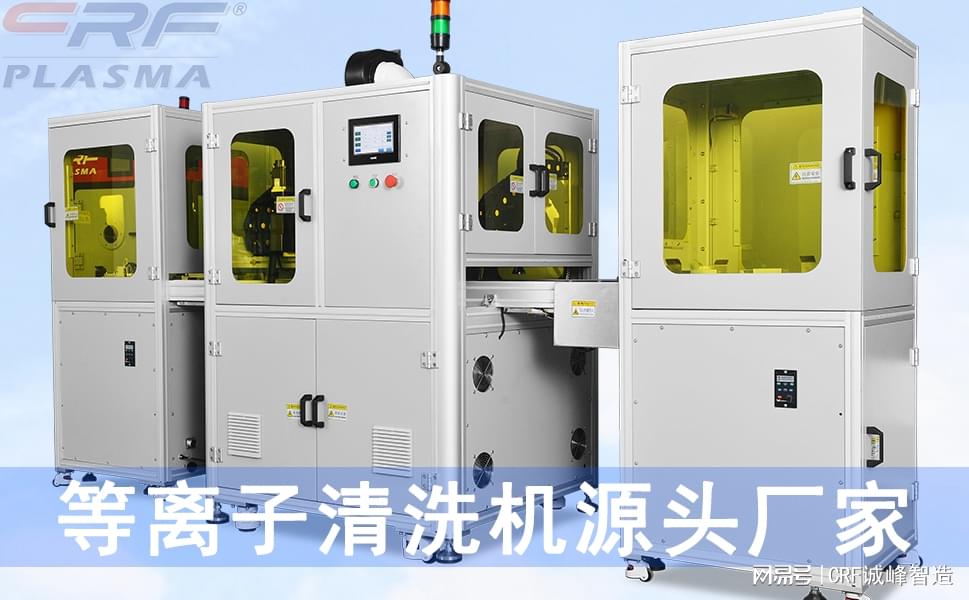
3. Cleaning parameter control: Adjust the operating parameters of the plasma cleaning machine, such as power, gas flow and processing time, according to the materials and pollution levels of different toys to meet the cleaning effect requirements. Ensure that contaminants are removed as much as possible without damaging the toy.
4. Inspection and post-treatment: After plasma cleaning, check the cleanliness of the toy surface. If there are still residues or other pollutants, secondary cleaning or other treatment can be carried out. After cleaning, the toy finally needs to be dried to ensure that the surface is dry and prevent re-contamination.
It should be noted that the plasma cleaning process of toys must strictly control the cleaning parameters to avoid irreversible effects on the material and color of the toy.
At the same time, before plasma cleaning, it is best to understand the characteristics of toys and follow relevant cleaning guidelines or consult professional technicians to ensure the safety and effectiveness of the cleaning process.