scpmkj@gmail.com
Get A Free Quote


 share
share
For many industries and companies, inkjet printers are indispensable equipment in daily production and packaging. However, as the temperature changes, the use of inkjet printers will be affected to some extent. If you don't pay attention, it may lead to degradation of coding quality, equipment failure or even downtime damage. Therefore, how to ensure the stable operation of the inkjet printer in a low-temperature environment and smooth production? Read on with the editor!
Effect of temperature on inkjet printer
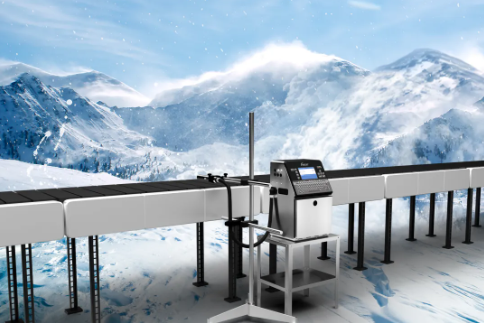
In a low-temperature working environment, there is a probability that it will have the following impacts on the inkjet printer:
1
Code coding quality declines
Low temperatures will make the ink jet become sticky, and the ink sprayed by the nozzle may be uneven, resulting in blurred and unclear coding.
2
Sprinkler blocked
In a cold environment, the ink on the nozzle may crystallize or solidify, causing clogging, which in turn affects the printing effect.
3
Equipment performance degradation
Low temperature environments may cause electrical components and control systems inside the machine to respond slowly, equipment start-up is slower, and operation is unstable.
With its years of technical accumulation, FASTJET has carefully designed and tested the performance of inkjet printers in various environments, effectively reducing equipment failures and inkjet printing problems caused by low temperatures, making your production process more efficient and smooth.
Precautions for using inkjet printer in winter

Use low-temperature inks & check ink condition regularly
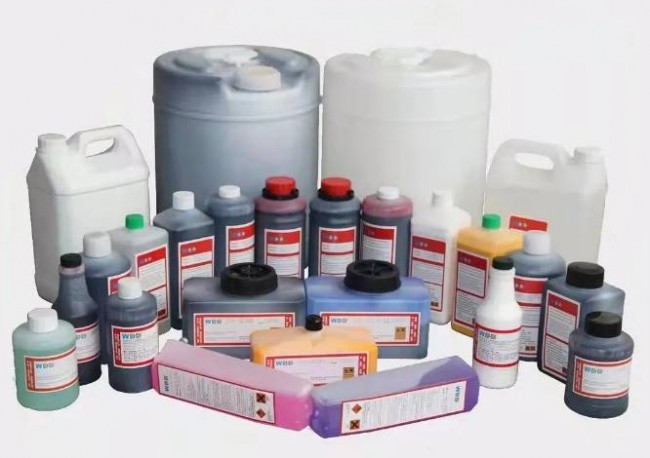
·In low-temperature environments, some inks may solidify or crystallize, so make sure you use low-temperature tested inks.
Spray head cleaning and maintenance
·Regular cleaning of the nozzle is an important measure to ensure the quality of coding. Use cleaning solutions and tools recommended by the manufacturer and avoid using overly irritating or inappropriate cleaners.
Regularly inspect equipment and personnel training
·Regularly conduct comprehensive inspections of the inkjet printer, especially key components such as electrical systems, ink path systems, and nozzles. Repair problems found in time to avoid failures during the production process.

Temperatures across the country are falling, and low-temperature environments pose more challenges to the operation of inkjet printers. However, as long as we do proper maintenance and operation, production interruptions can still be avoided and efficient production can be ensured in cold environments.