scpmkj@gmail.com
Get A Free Quote


 share
share
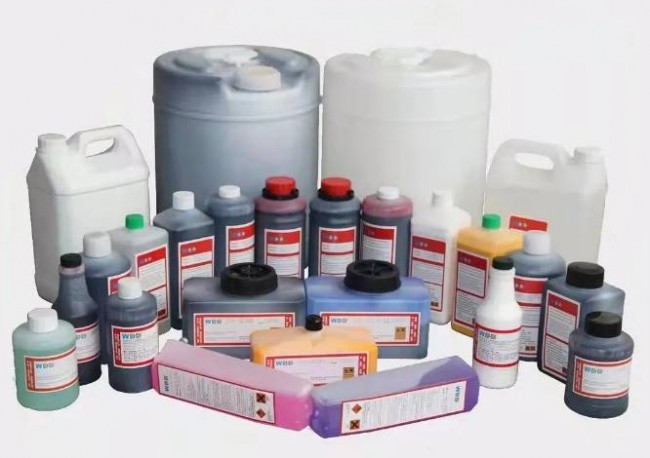
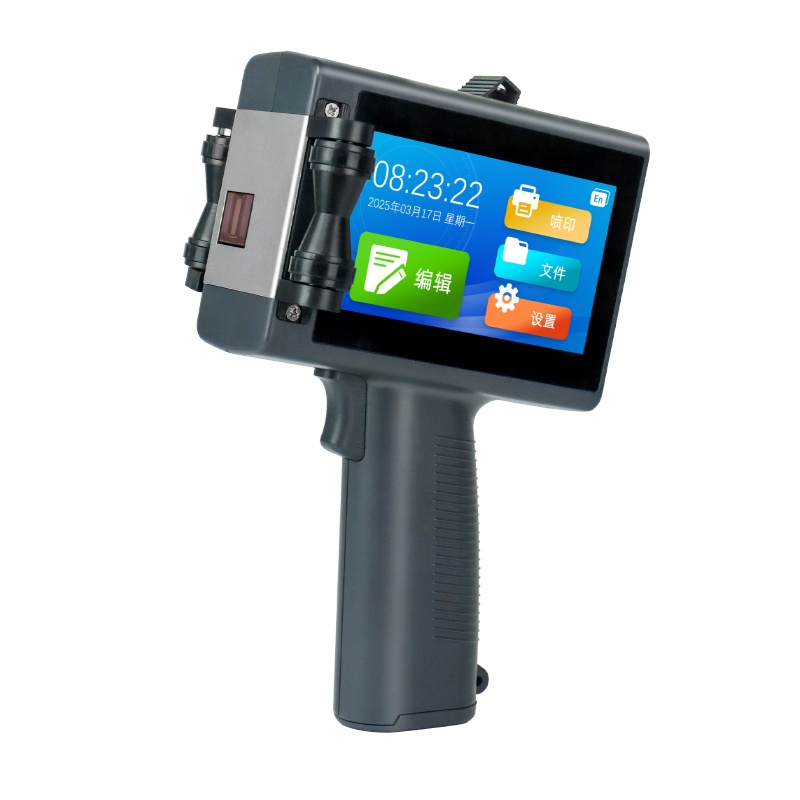
The selection of ink for large character inkjet printers is a crucial link, which is directly related to the inkjet printing effect, production efficiency and equipment life. The following are some detailed points about ink selection for large character inkjet printers:
1. Type of ink
water-based ink
Features: Water-based ink is prepared from water-based resin, is soluble in water, has bright colors, good adhesion, quick-drying, strong water resistance, and is environmentally friendly and harmless.
Application: Commonly used in food, medicine, beverage and other industries, because these industries have high requirements for environmental protection and safety.
oily ink
Features: Oily inks are not easily soluble in water, but soluble in organic solvents. They have the advantages of high viscosity, quick drying, water resistance, and light resistance.
Application: Suitable for the surface of metal, plastic, wood, aluminum foil, cartons and building materials, due to its good adhesion and durability on these materials.
Ultraviolet curable ink (UV ink)
Features: Under ultraviolet irradiation, UV ink can quickly form and dry, and has better mechanical and chemical properties. The sprayed content has good luster and firmness, bright colors, water resistance, solvent resistance, self-scratch and wear resistance.
Application: Suitable for high-resolution and high-speed spray printing, and is often used for occasions with high requirements for spray printing effects.
Water-based UV ink
Features: It is a new research direction in the field of UV inks. Water and ethanol are used as diluents, which is more environmentally friendly and has excellent performance.
Application: It has been used in some highly demanding industries, such as high-end packaging, electronic products, etc.
high temperature ink
Features: High temperature resistance, easy to fade, good gloss for code printing, acid and alkali resistance.
Application: Suitable for special products that need to go through a high temperature environment, such as glass, soldering and other industries.
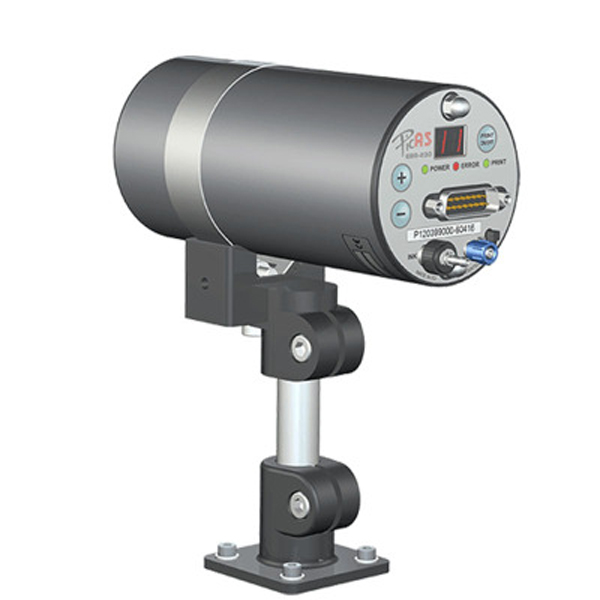
2. Considerations for ink selection
application requirements
Different industries have different requirements for ink, so the application needs must be clarified first. For example, the food packaging industry may require food grade inks, while industrial production lines may require quick-drying, abrasion-resistant inks.
ink performance
The properties of the ink include adhesion, drying speed, weather resistance, chemical resistance, etc. Choosing inks with good performance ensures clear and long-lasting coding results.
device compatibility
Different models of inkjet printers may have different ink compatibility. Therefore, when selecting ink, ensure that it is compatible with the large character printer used to avoid equipment failures or degradation of coding effectiveness.
cost-effective
The price and service life of the ink are also factors to consider when selecting. On the premise of ensuring the coding effect, choosing cost-effective inks can reduce production costs.
Environmental Protection requirements
With the improvement of environmental awareness, more and more industries are paying attention to the environmental protection of inks. Therefore, when selecting ink, consider whether it meets environmental requirements to reduce the impact on the environment.
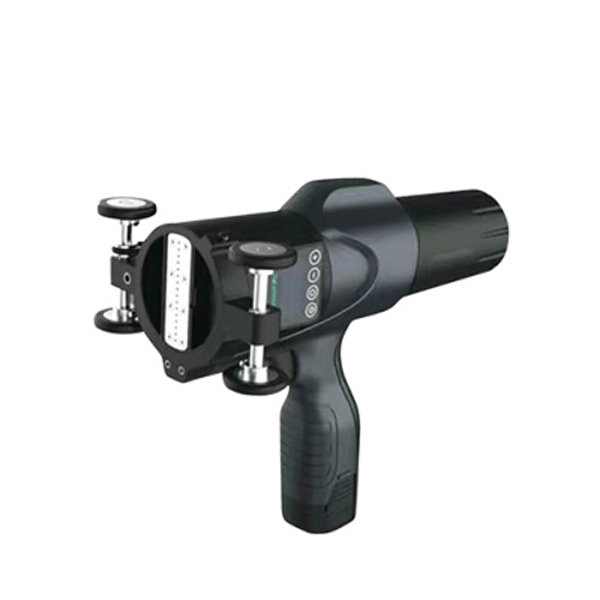
3. Precautions for using ink
Change ink regularly
After a period of use, the performance of the ink will gradually decline. In order to ensure the coding effect, it is recommended to change the ink regularly to avoid using expired ink.
Keep the ink clean
Avoid the ink being contaminated or mixed with impurities to avoid affecting the coding effect. When replacing ink, ensure that the ink path system is clean and avoid mixing of different inks.
Control ink usage
Add appropriate amount of ink according to the coding requirements. Avoid too much or too little ink, so as not to affect the coding effect and waste ink.
Adjust coding parameters
Adjust coding parameters, such as inkjet speed, inkjet volume, etc., according to the performance of the ink and the requirements of the printer to obtain better coding results.
To sum up, ink selection for large character inkjet printers is a process that comprehensively considers multiple factors. By understanding different types of inks and their characteristics, combined with factors such as application needs, ink performance, equipment compatibility, cost-effectiveness and environmental requirements, a suitable ink type can be selected. At the same time, attention should also be paid to matters such as ink replacement, cleaning, amount control and adjustment of coding parameters during use to ensure better performance of the coding effect.