scpmkj@gmail.com
Get A Free Quote


 share
share
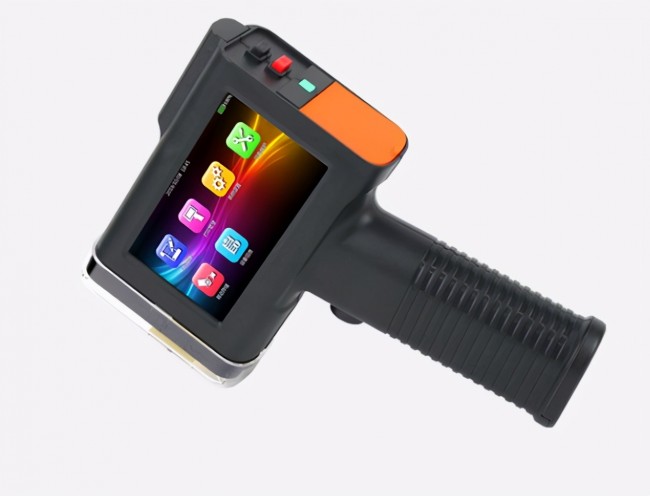
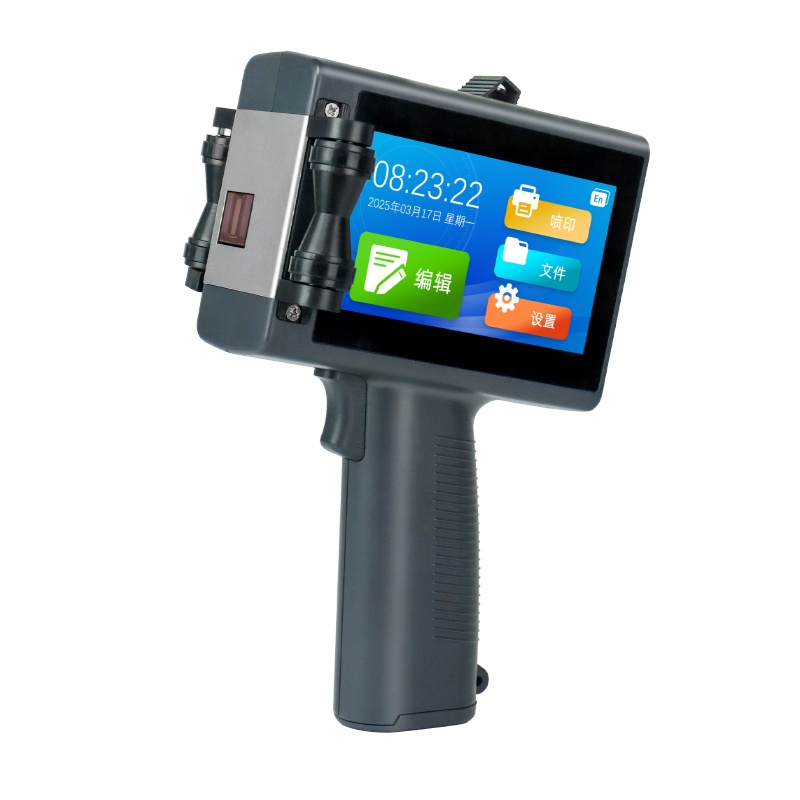
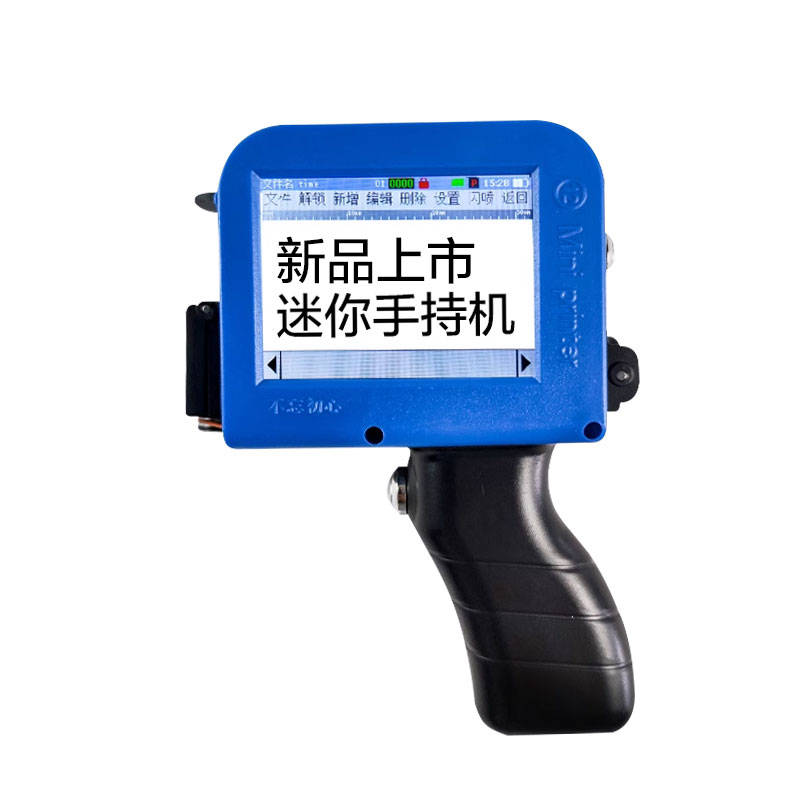
Handheld inkjet printer is a portable printing equipment widely used for product identification and traceability on production lines. It can be used to code printing on the surface of various materials, including paper, plastic, metal and glass. The following are the advantages and disadvantages of handheld inkjet printers:
Advantages:
1. Portability: The handheld inkjet printer is small in size, light in weight, easy to carry and operate, and is suitable for various working scenarios.
2. Flexibility: The handheld inkjet printer can be adjusted according to needs and can code in different directions and angles. It is suitable for marking various irregular objects.
3. Efficiency: The handheld inkjet printer has fast coding speed, which can quickly complete the identification of a large number of products and improve production efficiency.
4. Easy to operate: Handheld inkjet printers usually have a simple and intuitive operation interface and function buttons, which are easy to learn and use and do not require professional skills.
Disadvantages:
1. Limited coding quality: Compared to other high-precision printing equipment, the resolution and coding quality of handheld printers may be lower. For products that require high-precision marking, it may not be suitable.
2. Relying on operator skills: The marking quality of handheld inkjet printers is related to the operator's skills and experience, and the marking effects of different operators may differ.
3. Limited coding range at one time: The marking range of the handheld inkjet printer is limited by the size of the nozzle terminal and the number of ink jets, so it may not be possible to complete a large range of marking at one time.
Overall, handheld inkjet printers have the advantages of portability, flexibility and efficiency, but there are some limitations in terms of logo quality and coding range. The specific choice of using a handheld inkjet printer or other printing equipment needs to be considered based on personal needs and actual conditions.